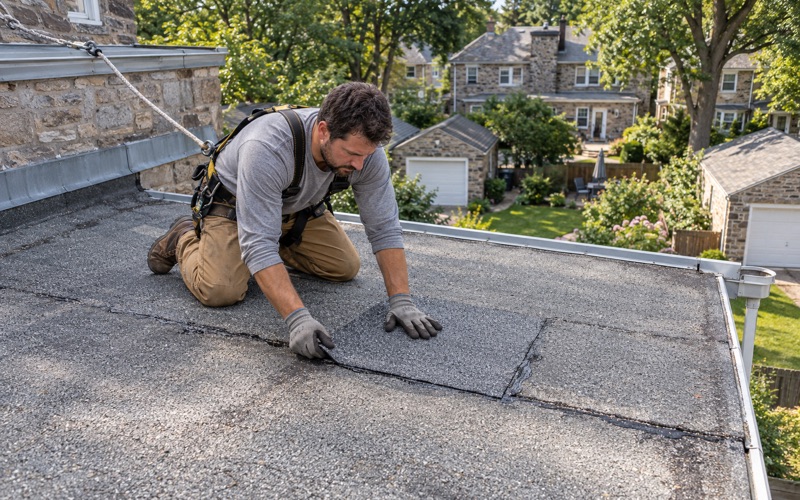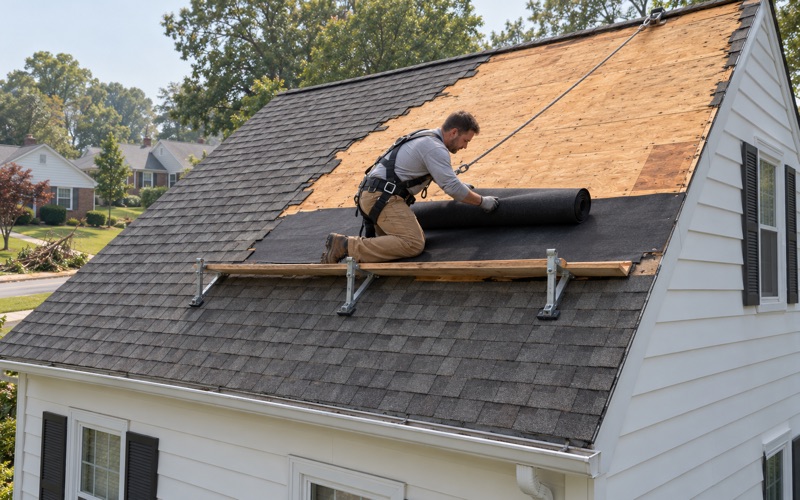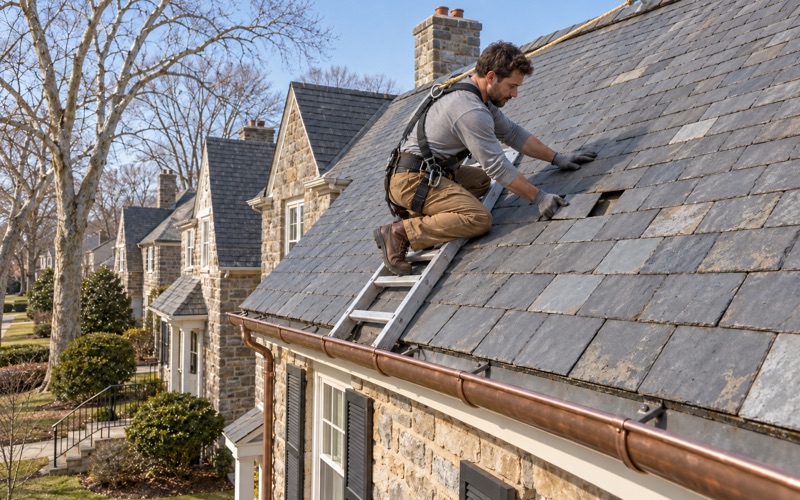
Abington Superior Roofing has spent more than 20 years on roofing in Doylestown Township and across this part of Pennsylvania, and most of the calls we take here start with one question: did the last storm do anything to my roof? Our answer starts on the roof and ends in the attic, because a stain on a ceiling rarely sits directly under the spot where water got in.
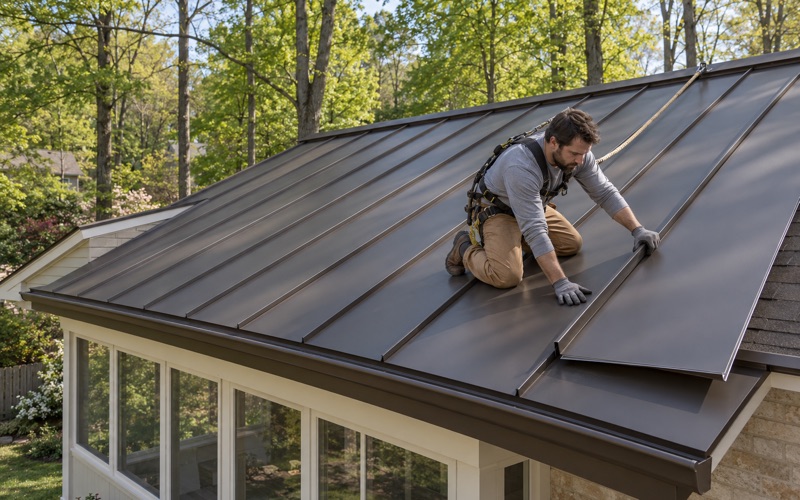
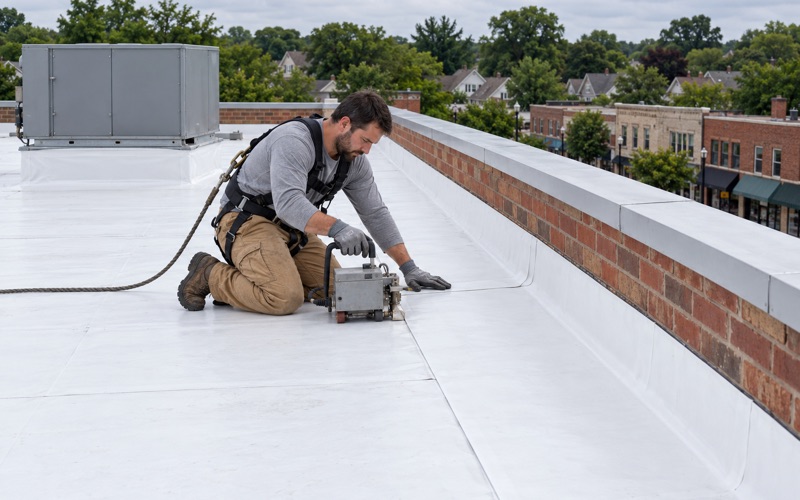
We repair shingle, slate and flat roofs, replace them when repair no longer makes sense, and set the gutters and downspouts with the roof rather than as an afterthought. Whatever the job, the owner hears a straight answer on whether the roof can be fixed before anyone talks about tearing it off.
This page is about wind. A summer tropical storm is not what most homeowners picture when they think about roof damage, yet one of them brought tornado-strength wind through this township, and the checks that follow a storm like that are worth knowing before the next one arrives.
Isaias and the Northeast Philadelphia to Doylestown Tornado
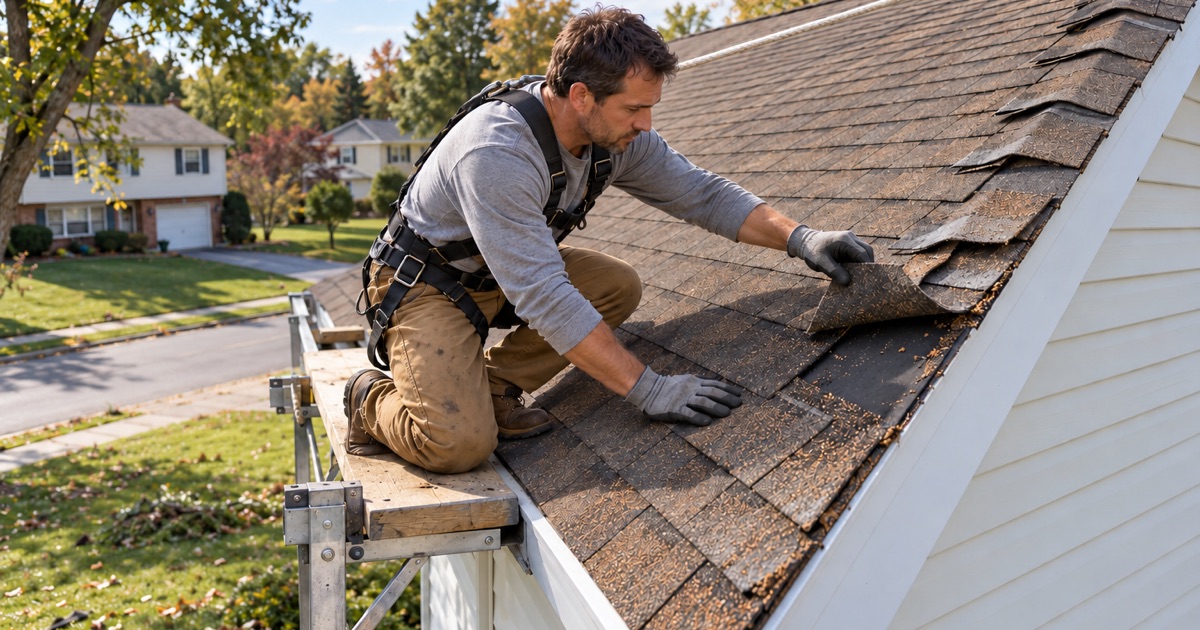
A tropical storm that spun up a tornado
On the morning of August 4, 2020, Tropical Storm Isaias crossed the region and produced a tornado that the National Weather Service office at Mount Holly later surveyed and named the Northeast Philadelphia to Doylestown tornado. It ran 20 miles between 10:50 and 11:10 that morning, about twenty minutes from end to end, with a path up to 500 yards wide.
The survey rated it EF2 at its peak, the low end of that category, and broke the path into segments. Northeast Philadelphia saw EF1 wind near 100 mph that blew roofs, siding and awnings off many homes there. The Southampton area of Bucks County saw EF1 wind near 90 mph, with snapped trees and homes and cars struck by falling limbs.
The low-end EF2 stretch at Doylestown Hospital
The strongest stretch came near the end. The survey places a low-end EF2 segment, with estimated wind near 115 mph, touching down near Central Bucks West High School, where the visitors’ bleachers were tossed. From there it crossed the Doylestown Hospital complex, whose address on West State Street geocodes to Doylestown Township rather than the borough.
At the hospital complex at least six cars were thrown and the Children’s Village day care was substantially damaged, with no serious injuries reported. Trees came down and metal lamp posts were bent. Wind strong enough to toss a car and bend a lamp post is wind that will find any weakness along a roof edge.
The last EF1 miles toward Peace Valley Reservoir
After the hospital, a final EF1 segment near 100 mph ran northwest along Sandy Ridge Road, Jefferson Avenue and Lower State Road before lifting along Ferry Road near Peace Valley Reservoir. That carried the tail of the storm across the township’s roads, trees and rooftops.
The survey does not report house roofs torn off in the Doylestown segment, and we will not claim it did. What it does show is that wind in the EF1 to low-end EF2 range reached this township, and roofs here were exposed to the kind of gusts that loosen shingles without leaving anything obvious from the street.
Looking for roofing closer to East Whiteland? See East Whiteland Roofing.
What Tornado-Strength Wind Does to a Shingle Roof
Lifted tabs and broken seal strips
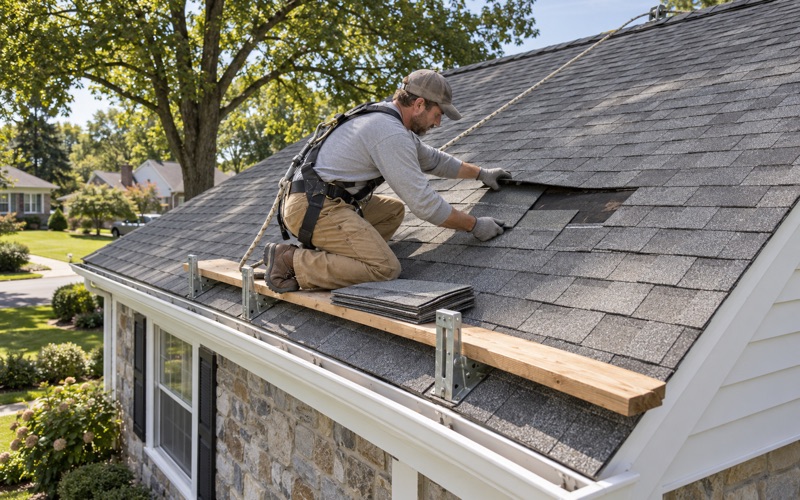
An asphalt shingle holds against wind with its nails and a strip of sealant that bonds it to the course below. A strong gust can lift a shingle far enough to break that bond and let it drop back into place. From the driveway the roof looks fine, but the shingle is now loose and the next storm can peel it away.
We look for creased tabs, shingles that lift under light hand pressure, missing pieces along the rakes and ridge, and granules washed into the gutters. Where a roof is due for replacement anyway, we talk about architectural shingles rated to ASTM D3161 Class F or ASTM D7158 Class H for wind, so the owner knows what those labels actually mean.
Flashing torn at walls and pipes
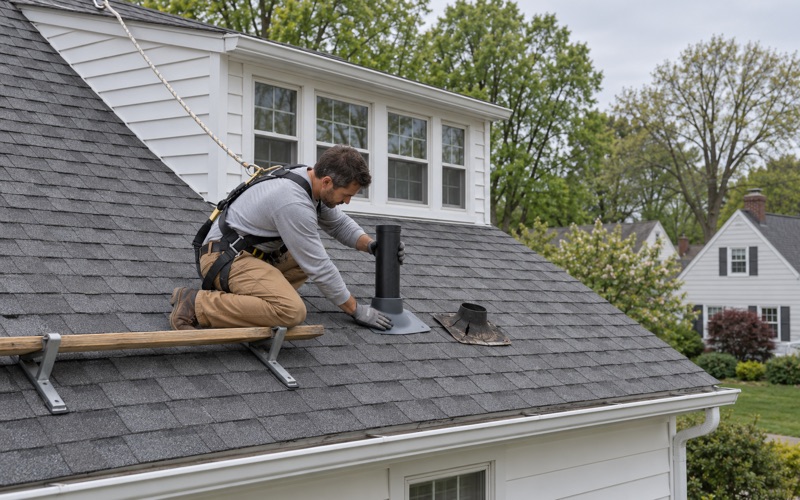
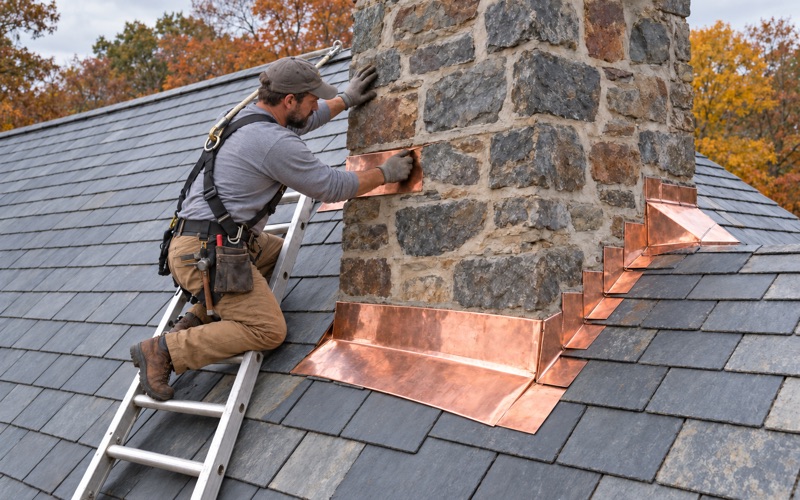
Wind works hardest at edges and transitions. Drip edge along the eaves and rakes can bend upward, step flashing along a sidewall can pull loose, and a pipe boot can crack where the rubber has aged. Each of those is a path for water that a ceiling may not show for weeks.
When we replace a roof, step and counter flashing is replaced with it rather than reused under new shingles. Old flashing bent by a storm and pushed back into place rarely seals the way it did, and a new roof laid over tired metal is a repair waiting to happen at the wall line.
Limbs on the roof and the decking underneath
The survey reports trees and limbs falling on homes and cars in the Southampton area and trees felled in the Doylestown segment, so limbs belong on any post-storm checklist here. A limb can puncture shingles, crack decking and leave a soft spot that only shows up when someone walks the roof.
If the old roof comes off and the decking below is damaged, we photograph it and show the owner before any sheet is replaced. The per-sheet price is set in the contract from the start, so there is no surprise number on the last day of the job.
Checking a Doylestown Township Roof After a Tropical Storm
From the ground first, then the attic
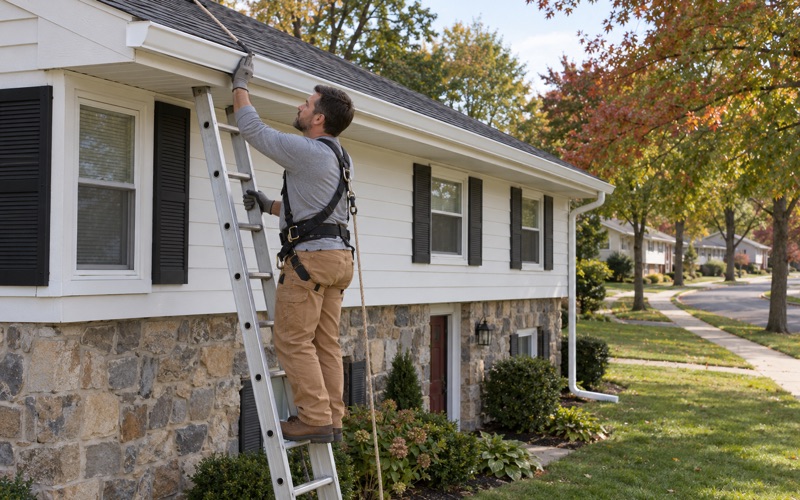
The first check after a storm is from the ground, with binoculars if you have them: missing shingles, lifted edges, bent drip edge, limbs resting on the roof and debris in the gutters. Stay off a wet roof. Our crews work under the OSHA fall protection rule for residential roofing at 6 feet, and a homeowner on a ladder has none of that.
On a leak call we go into the attic as well as onto the roof. Damp sheathing, stained rafters or daylight around a nail tell us where water is actually entering, and that is what gets priced. Tracing the water first keeps a small flashing repair from turning into a guess about a whole slope.
Gutters and downspouts in the same check
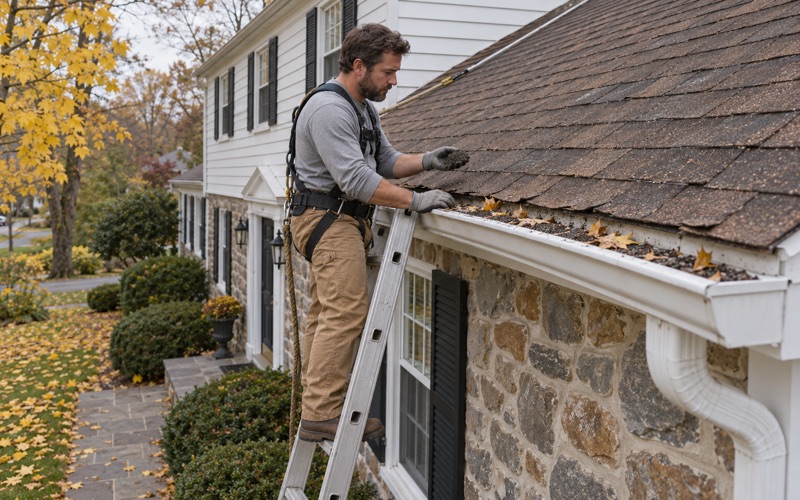
Wind and falling limbs can pull a gutter away from the fascia or kink a downspout, and a gutter full of granules and leaves backs water up under the roof edge. We check both during the same visit, and when a roof is replaced the gutters are sized and pitched with it so water leaves the roof where it should.
Repair or replace, answered straight
Many wind-damaged roofs need repair, not replacement. A few lifted shingles, a torn pipe boot or a bent run of drip edge can be fixed properly, and we say so before replacement comes up at all. A roof that is near the end of its life, or one with damage across several slopes, is a different conversation.
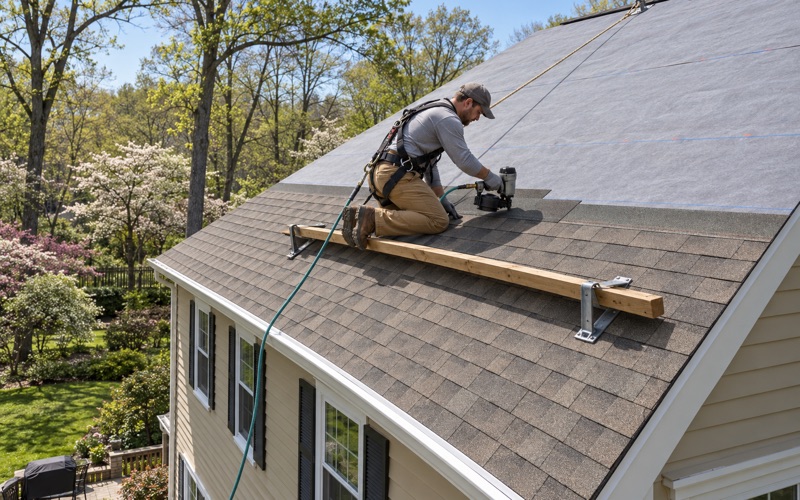
When replacement does make sense, our written scope lists tear-off, decking, underlayment, flashing, ventilation and gutters as separate lines. That lets an owner set two estimates side by side and compare them item by item instead of trying to read meaning into a single total.
Permits run through the township
Re-roof permit rules in Pennsylvania are set municipality by municipality, so we check the rule for the township the house sits in before the job is priced. Here that means Doylestown Township Code and Zoning on Wells Road, not Doylestown Borough, which is a separate municipality with its own rules.
The township’s current building permit application lists Re-Roofing among its commercial permit types, and we confirm with the township how a residential job is treated before the contract is signed. Our contracts follow Pennsylvania’s home improvement law, including the three-business-day cancellation notice and the legal limit on deposits.
Documenting Damage for Your Own Claim
Photos and a written scope
After a storm like Isaias, good records matter. We photograph what we find on the roof and in the attic, note where each problem sits, and write up the damage and the repair it calls for. The owner keeps that package and decides what to do with it.
Those photos are most useful when they are taken soon after the storm and show context: the slope, the nearby limb, the bent flashing next to the wall. A close-up of one shingle with nothing around it tells an insurer very little about where the damage is or how it happened.
Meeting the adjuster, not negotiating
When an owner asks, our crew will meet the insurance adjuster on site and walk the roof with them, pointing out what we documented. We do not negotiate the claim or speak for the owner on what it should pay. Pennsylvania licenses public adjusters for that work, and the claim stays the owner’s own.
The Pennsylvania Insurance Department publishes guidance for homeowners on how the claim process works and the timelines insurers are expected to meet. We point owners to it so they know what to expect before the adjuster arrives. Reading it early also helps an owner keep track of dates, from the first call to the insurer through the inspection and the written decision.
Cleanup and the next storm
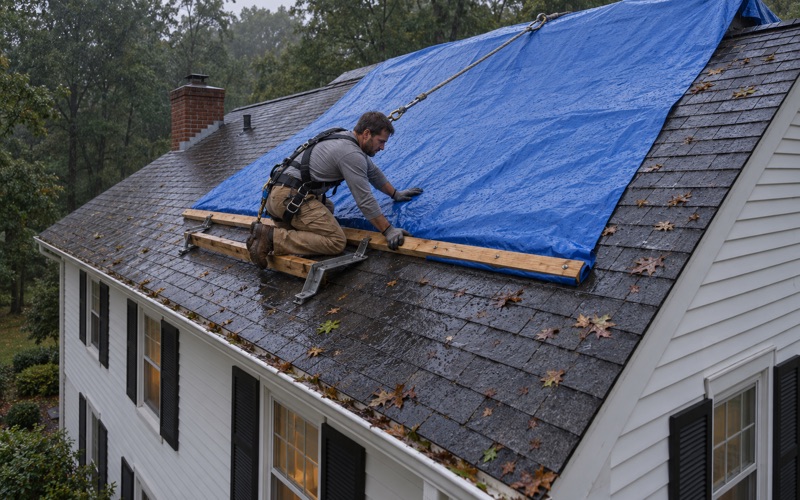
Storm repairs often mean working near downed branches and debris. At the end of each work day we clean the driveway, yard and gutters, and run a magnet sweep for roofing nails, so a family is not finding them in tires or bare feet the following morning.
The best time to look at a roof is before the next tropical storm season rather than after it. A check of sealed shingles, flashing at walls and pipes, and limbs hanging over the roof gives an owner in Doylestown Township a clear picture, and a short list of repairs to make while the weather is calm.
- 20+ Years in Roofing
- Free Written Estimates
- Line-by-Line Scopes